Herbert House grew up in Washington, D.C., where his family lived in neighborhoods such as Barry Farm and Petworth. His parents ran a dry-cleaning business, and early on he experimented with crafts such as stitching leather and working with a sewing machine—skills he once considered might lead him to become a cobbler. As a youth, he was drawn to art and architecture and secured a position at the Smithsonian’s Anacostia Museum as a photographer’s assistant, where he frequently visited and pressed for involvement.
House attended a D.C. art-focused high school (a precursor to the Ellington School) before moving to Illinois to pursue formal art training. In 1974, he enrolled at Illinois State University in Normal, Illinois, where he studied art and later contributed a sculpture to campus (an untitled steel piece). The sculpture at ISU is dated 1974 and was commissioned while he was still a student.
He left ISU after about a year to apprentice with prominent metal sculptors in Chicago, including Richard Hunt and Ed Love. Through these apprenticeships, House learned to work with welded steel and to repurpose automotive materials, especially chrome bumpers, for sculptural use.
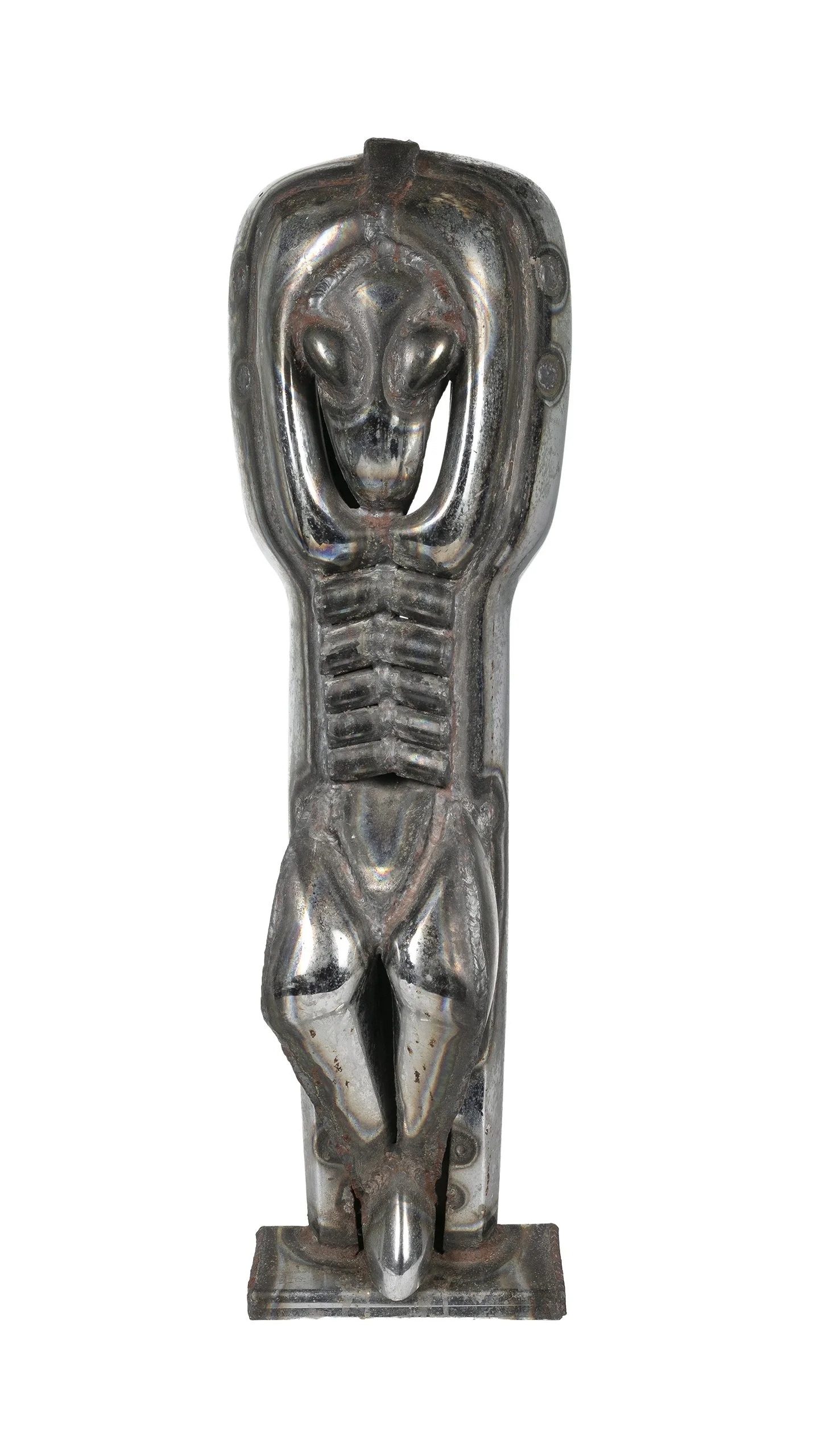
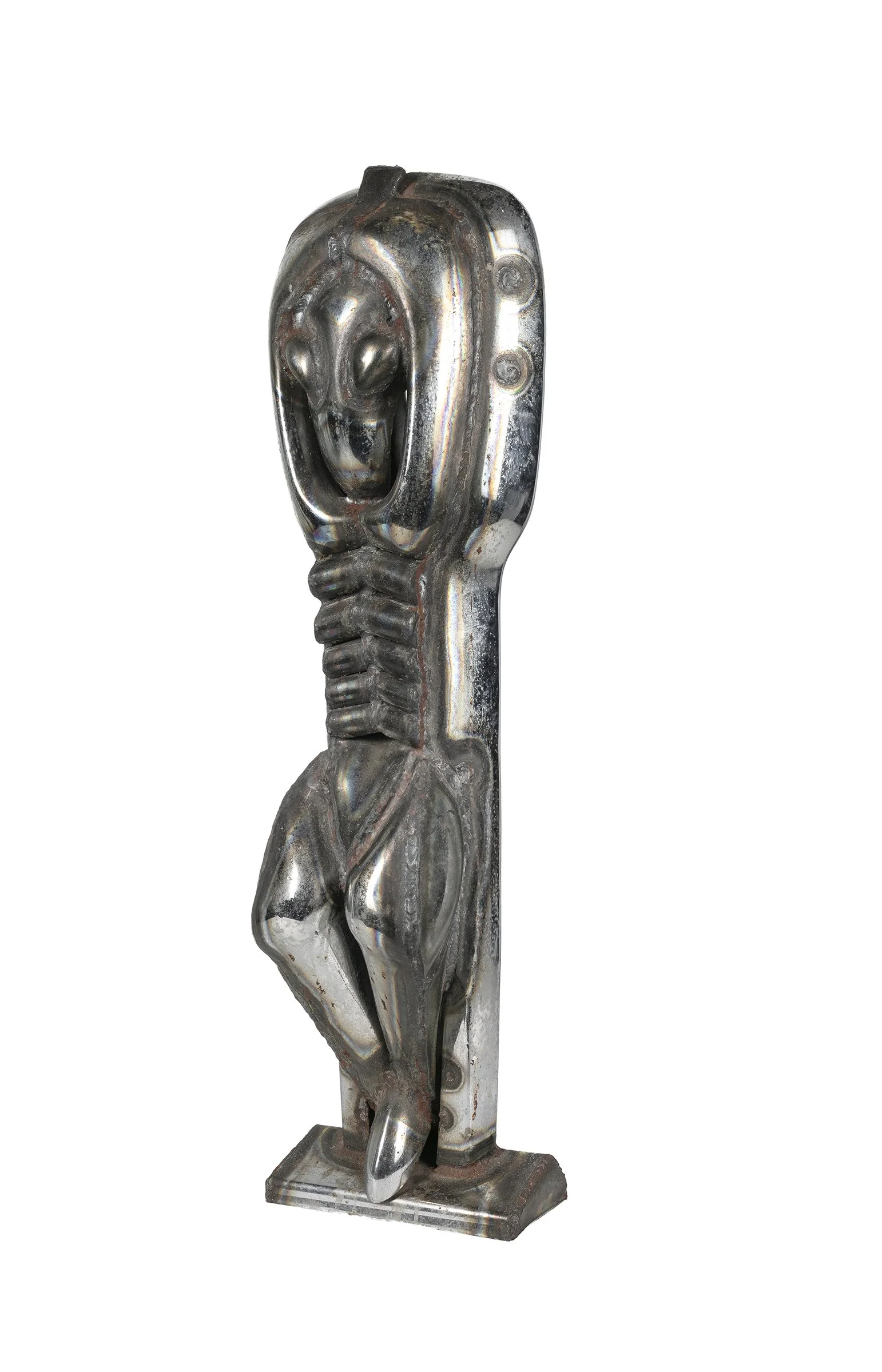
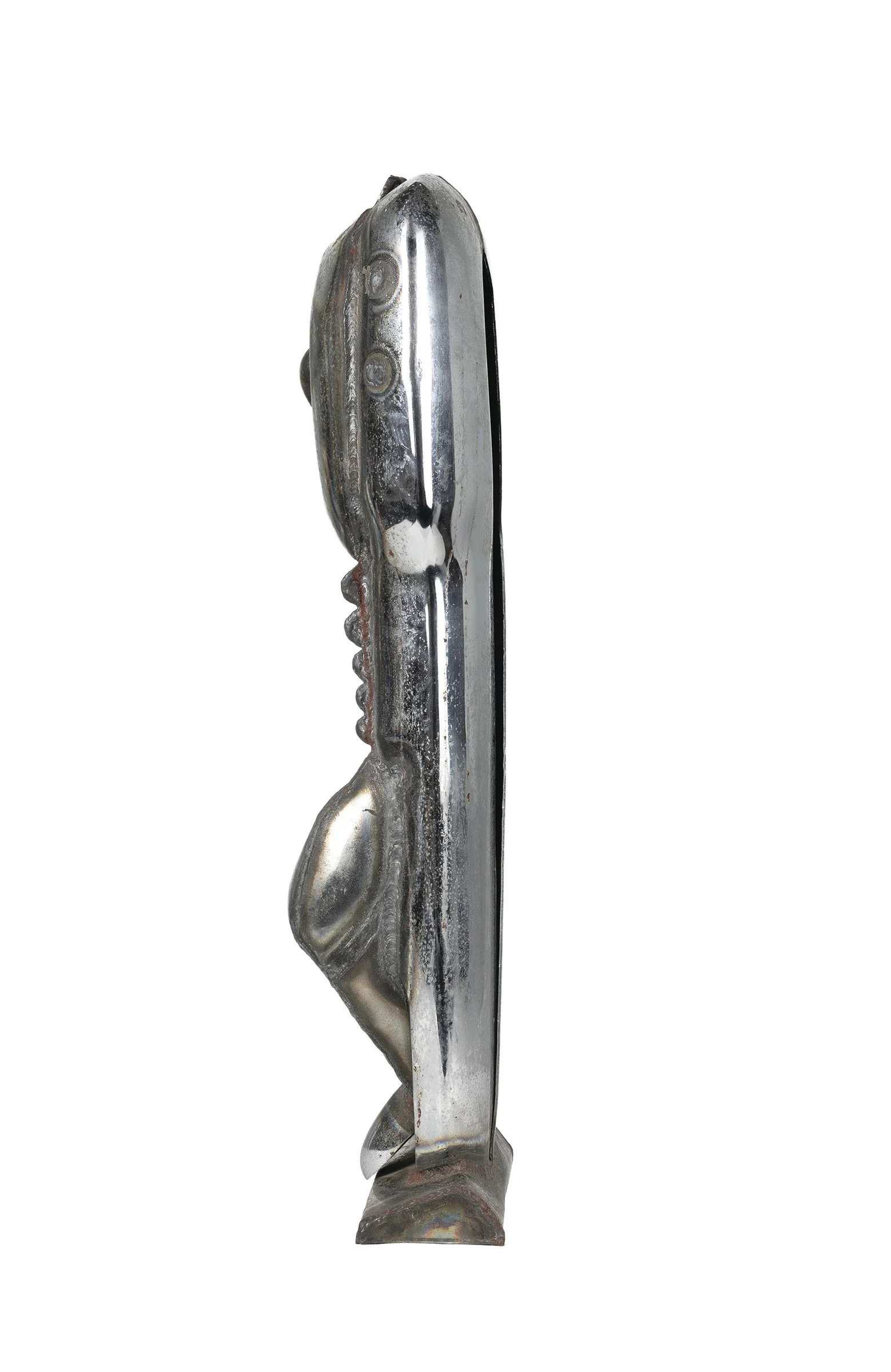
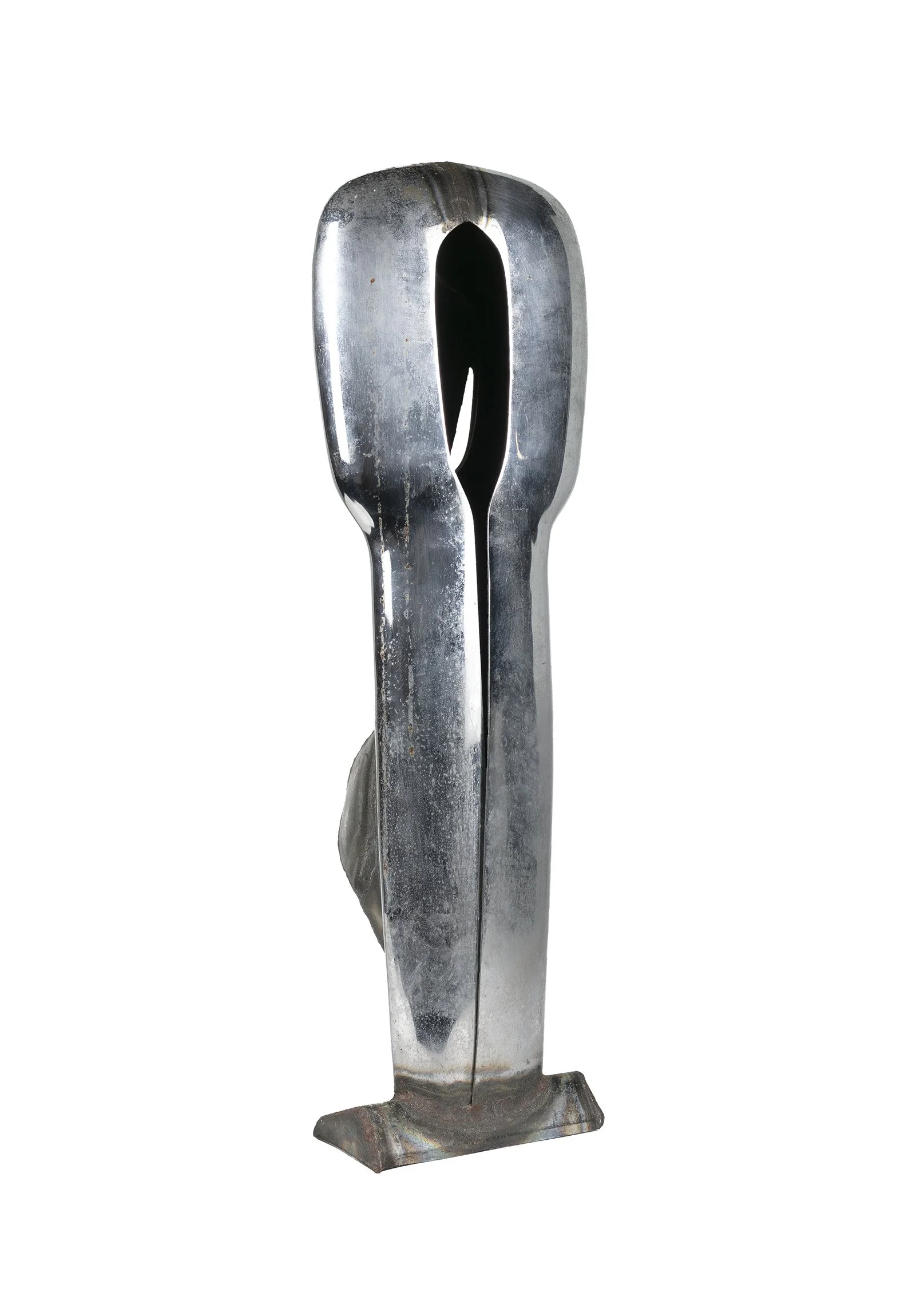
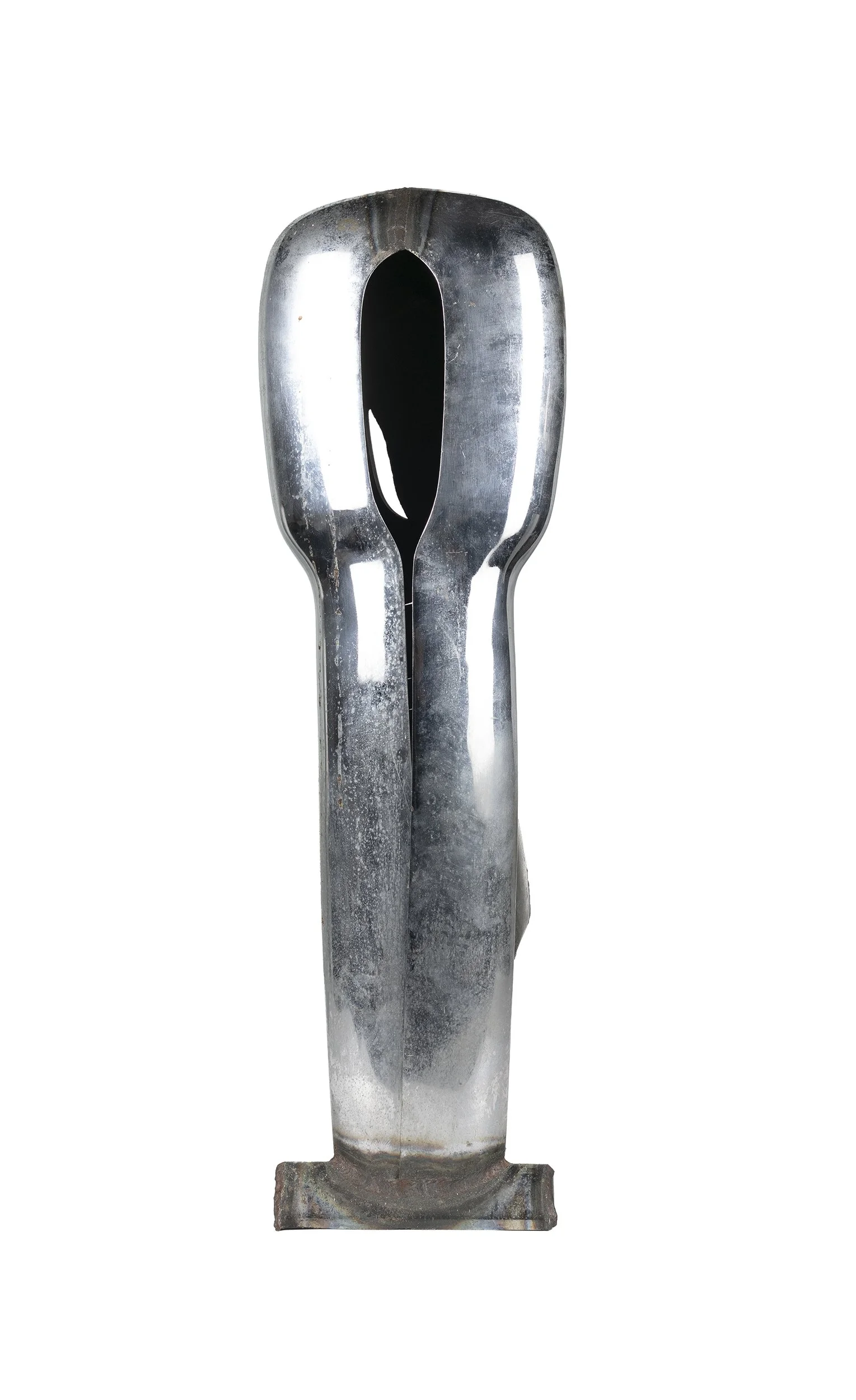
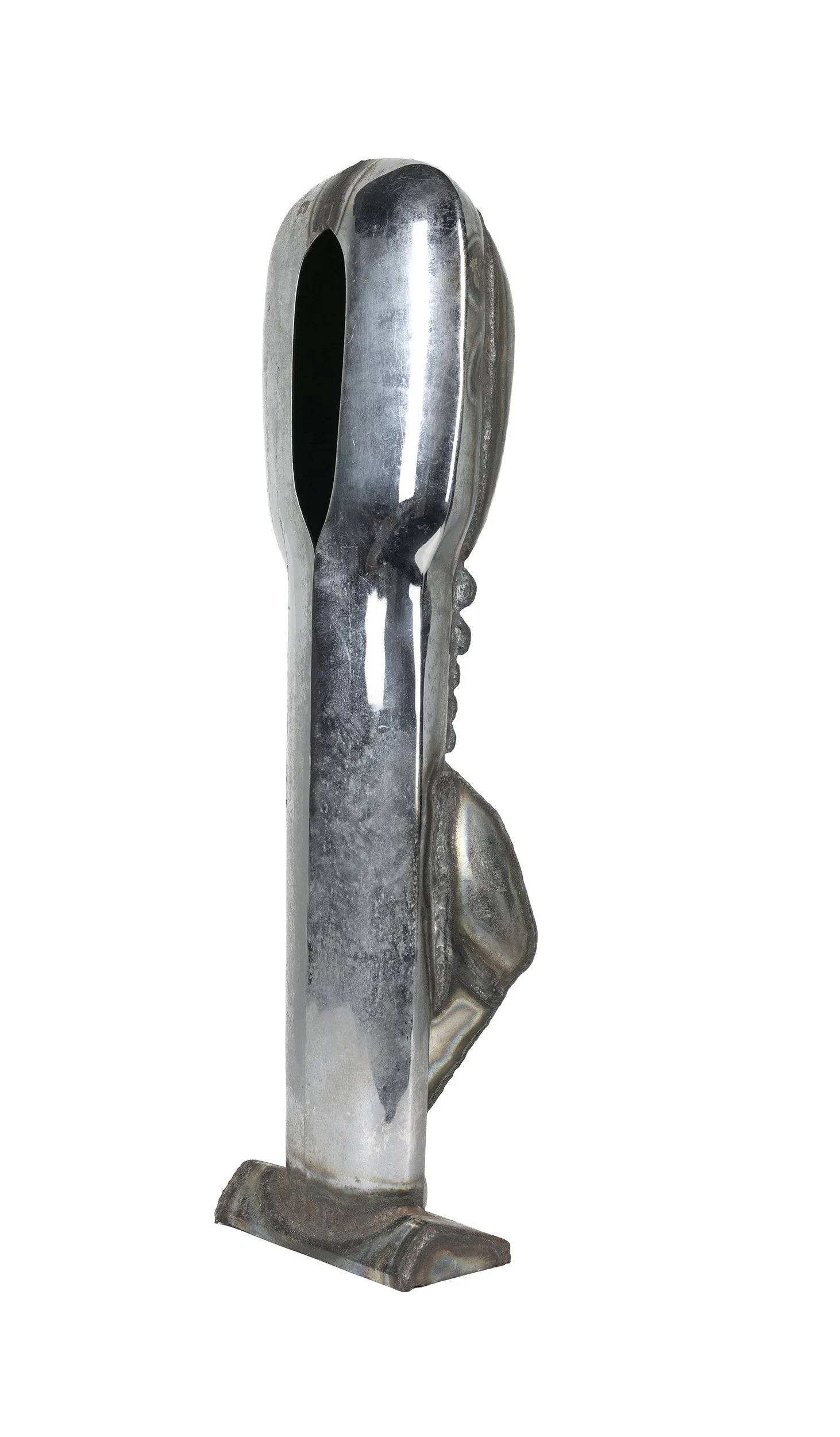
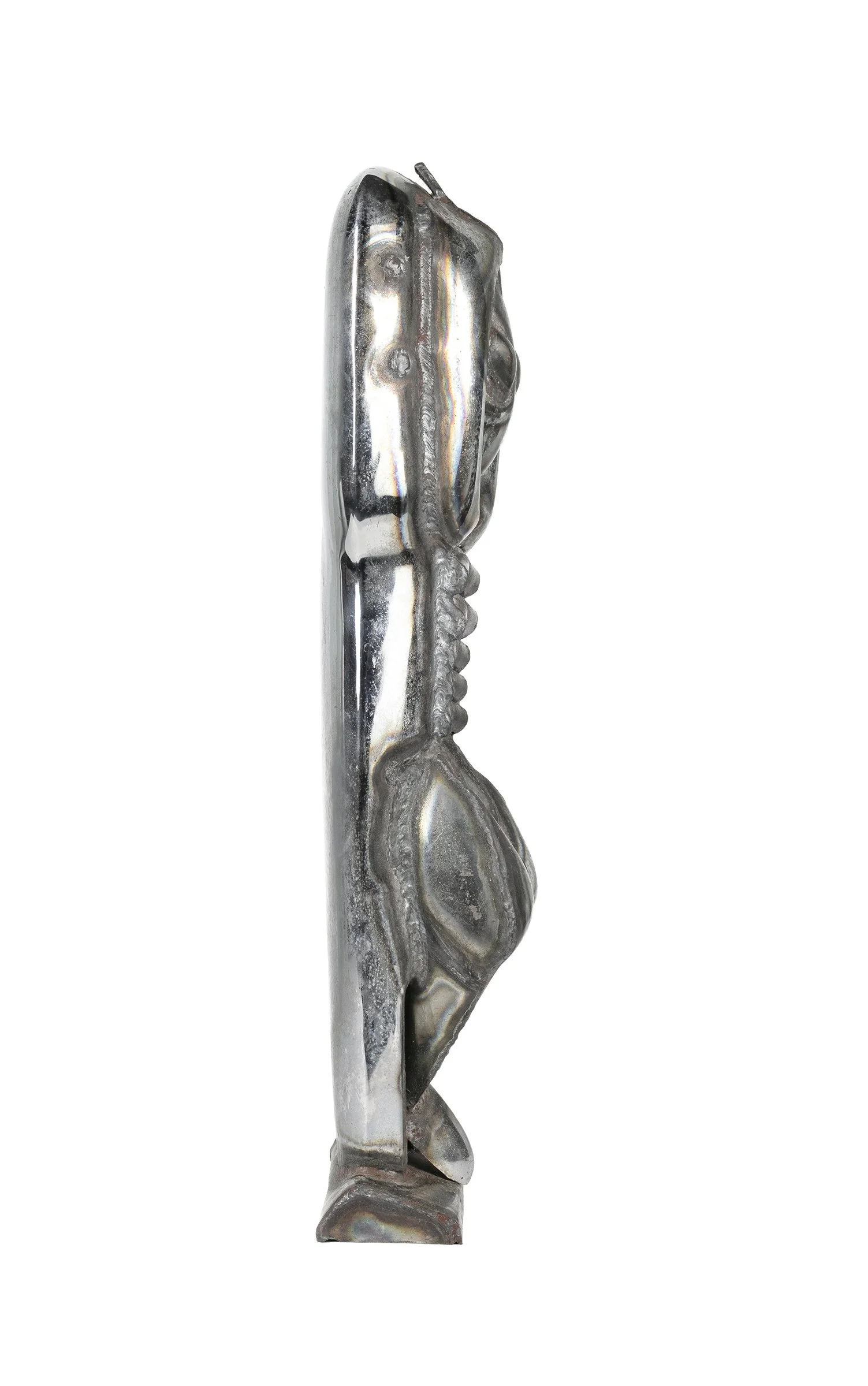
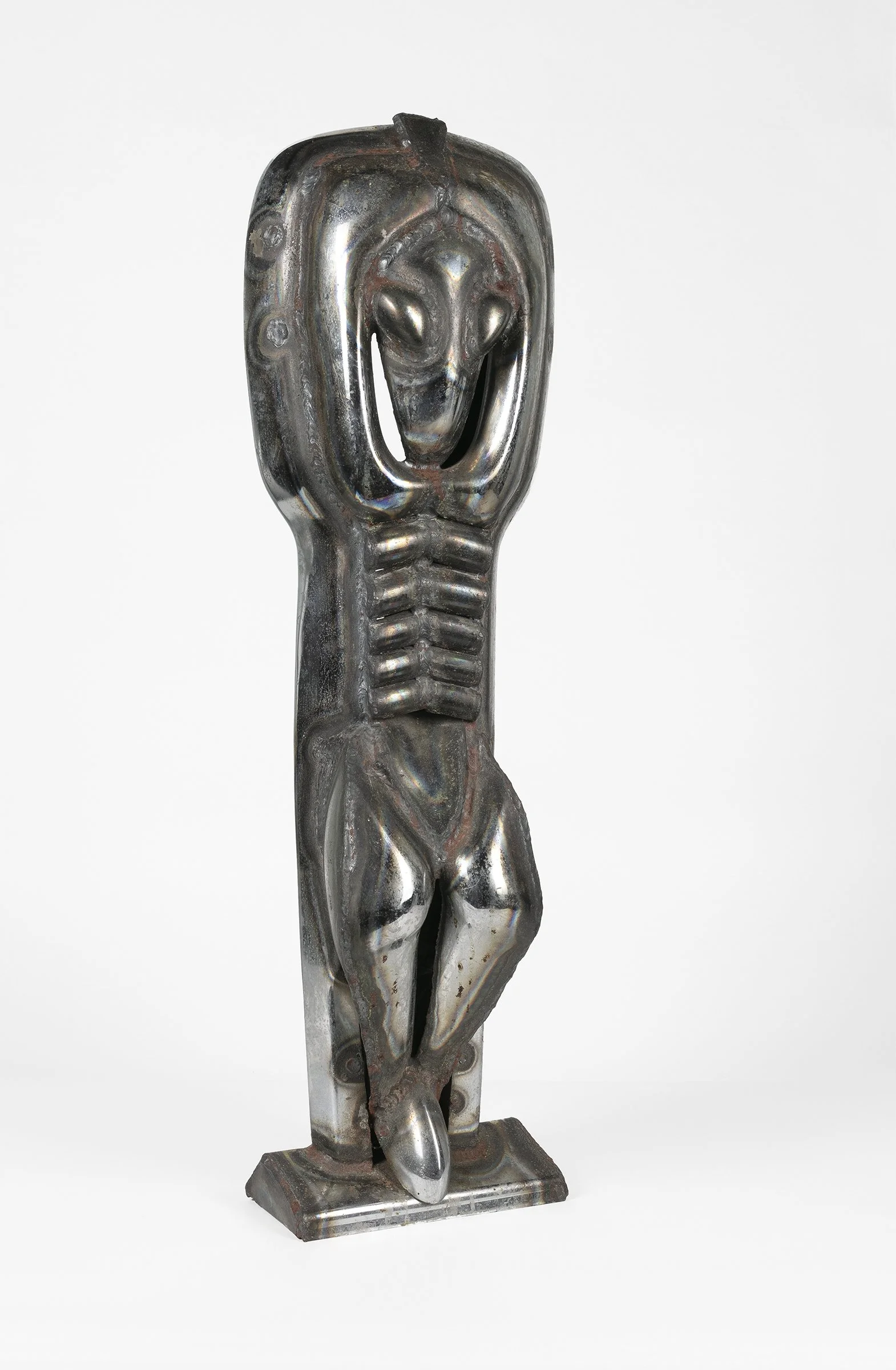
House is best known for large-scale welded stainless steel or chrome sculptures, often constructed from salvaged automotive bumpers. He collected bumpers from wrecking yards and roadside salvage operations, loaded them into his van, and examined each piece to determine suitable cuts and forms—designating segments he called “sticks” for assembly.
His figures often engage the human (especially female or familial) form in abstracted or ritualized compositions. One of his most notable public sculptures is Family Circle (1991), a group of four figures (two adults and two children) dancing in a circle atop a tilted red platform, welded from chrome bumpers and finished in highly polished steel. The piece is located at 18th & Harvard NW in Washington, D.C., in the Adams Morgan neighborhood. Although the figures lack feet, hands, or faces, their forms suggest movement, ritual, and familial continuity.
Another known work by House is an untitled abstract steel sculpture (1974) sited on the lawn of the Center for Visual Arts and Centennial East at Illinois State University.
Herbert House
(20th century)
After his time in Washington, DC, House relocated to Chicago permanently. He joined the carpentry trade and became a union carpenter (Local No. 10) to provide a stable income, especially during periods when sculptural commissions were inconsistent.
Though not widely written about in standard art-historical sources, House’s work surfaces in public art surveys, local media, and auction records, and his contributions to metal sculptural practice and reuse of industrial materials stand as a distinctive voice within late 20th-century American sculpture.
As of the latest available sources, House is semi-retired and continues to reside in Chicago.
REF: Who made the shiny car-bumper sculpture in an Adams Morgan Park? , Washington Post.
“House’s art is about form, mythos and archetype. Based on the female form, his figures are sensuous and remarkably erotic. The characteristics of ceremonial masks and figurines are readily apparent, giving his works a mysterious, ritualistic aspect. And the gleaming, curvaceous quality of welded car parts lends them suppleness and tactility.”
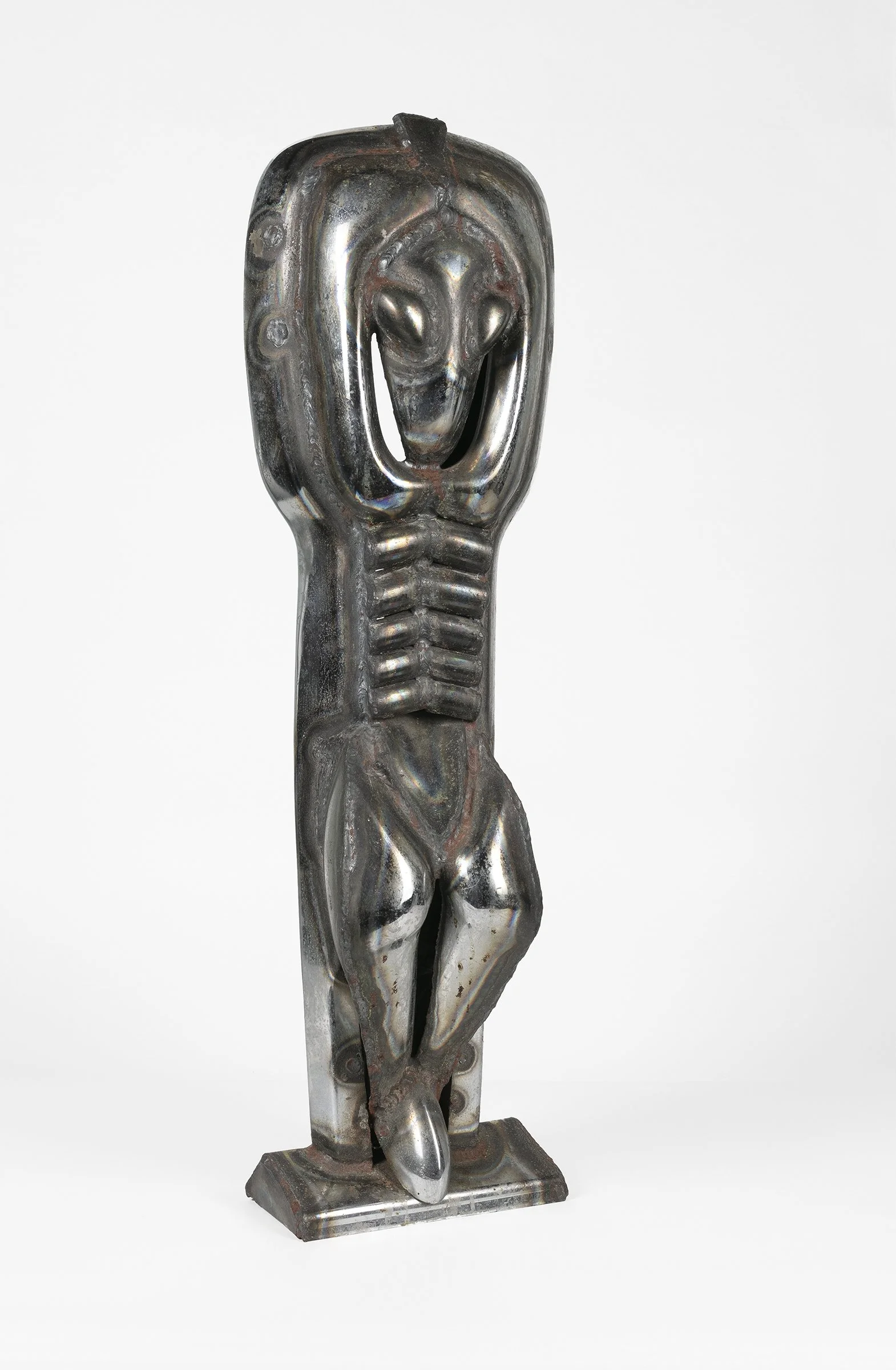
untitled (Figure), 1981., welded steel, 34 x 11 x 7-1/2 inches, signed, HERBERT HOUSE, with a cipher of a house, also inscribed "Chi" for Chicago on base.